Bird feeders and bird baths bring birds into close contact with each other, facilitating the spread of communicable conditions like conjunctivitis, which affects the eyes and respiratory system. Frequent cleaning — and pausing feeding when you notice a sick bird — can help contain conjunctivitis and other illnesses, including highly pathogenic avian influenza (HPAI, more simply referred to as bird flu or avian flu).
Many bird lovers have observed the spread of this strain of avian flu with great concern since it first began in January 2022. Bird flu has been detected in nearly 11,000 wild birds as of January 24, 2025 across the U.S., but domestic poultry are by far more at risk and are much likelier to die from HPAI than wild birds. Songbirds, the birds most commonly found at feeders, are less susceptible to avian influenza than waterfowl, seabirds, shorebirds, and raptors. The transmission rate is low among songbirds because they’re less likely to contract HPAI in the first place, and the chance they’ll shed the virus in large quantities is lower.
At the time of this publication, the U.S. Centers for Disease Control and Prevention (CDC) has not recommended individuals stop feeding backyard birds due to the ongoing outbreak of avian flu. (This excludes people who keep chickens and other poultry — in that case, do put away the wild bird feeder and consult the CDC for resources.) However, this advice may change, so be sure to keep up to date with recommendations in your area.
The U.S. Department of Agriculture (USDA) maintains a database of all reported cases of avian flu identified in wild birds, available in a searchable table and map form (click “see more” to view maps of outbreaks since 2022 and recent outbreaks by state.) In addition, other resources more local to you — like your state’s game commission or department of agriculture, natural resources, or conservation, or county extension offices — can also be reputable sources of information on avian influenza.
So, while it’s unlikely avian influenza will be spread at your bird feeders, it’s wise to stay alert to the status of avian flu and to practice good feeder and bath hygiene even when there isn’t an outbreak (find tips for keeping squeaky clean feeders below). That includes tending to your own hygiene: Always wash your hands thoroughly before and after handling feeders and baths.
If you do find a sick or dead bird in your backyard:
- Do not pick up the bird. Instead, contact local or state agencies (in most states, this will be a department of agriculture, natural resources, or conservation.)
- Avoid contact with bird feces. Bird flu is transmitted through feces, saliva, and mucus.
- If you have no choice but to handle a bird that has died, wear protective gear. Wear disposable gloves and a mask and throw them away when you’re done, double bag the bird, and wash your hands well with soap and warm water.
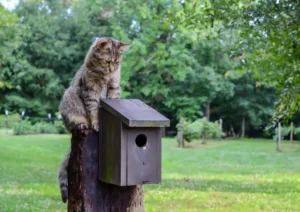
- Keep pets away from the bird to be extra cautious. Some viral infections, including highly pathogenic avian influenza, can be transmitted between species, including cats, and from those animals to humans. Given the increasing cases of cats contracting avian flu, if you do allow your pet cat out, now would be a good time to reconsider.
Take down feeders and clean them thoroughly. Pause feeding until it’s safe to resume. The agency you notified about the bird can provide more information for your specific situation.