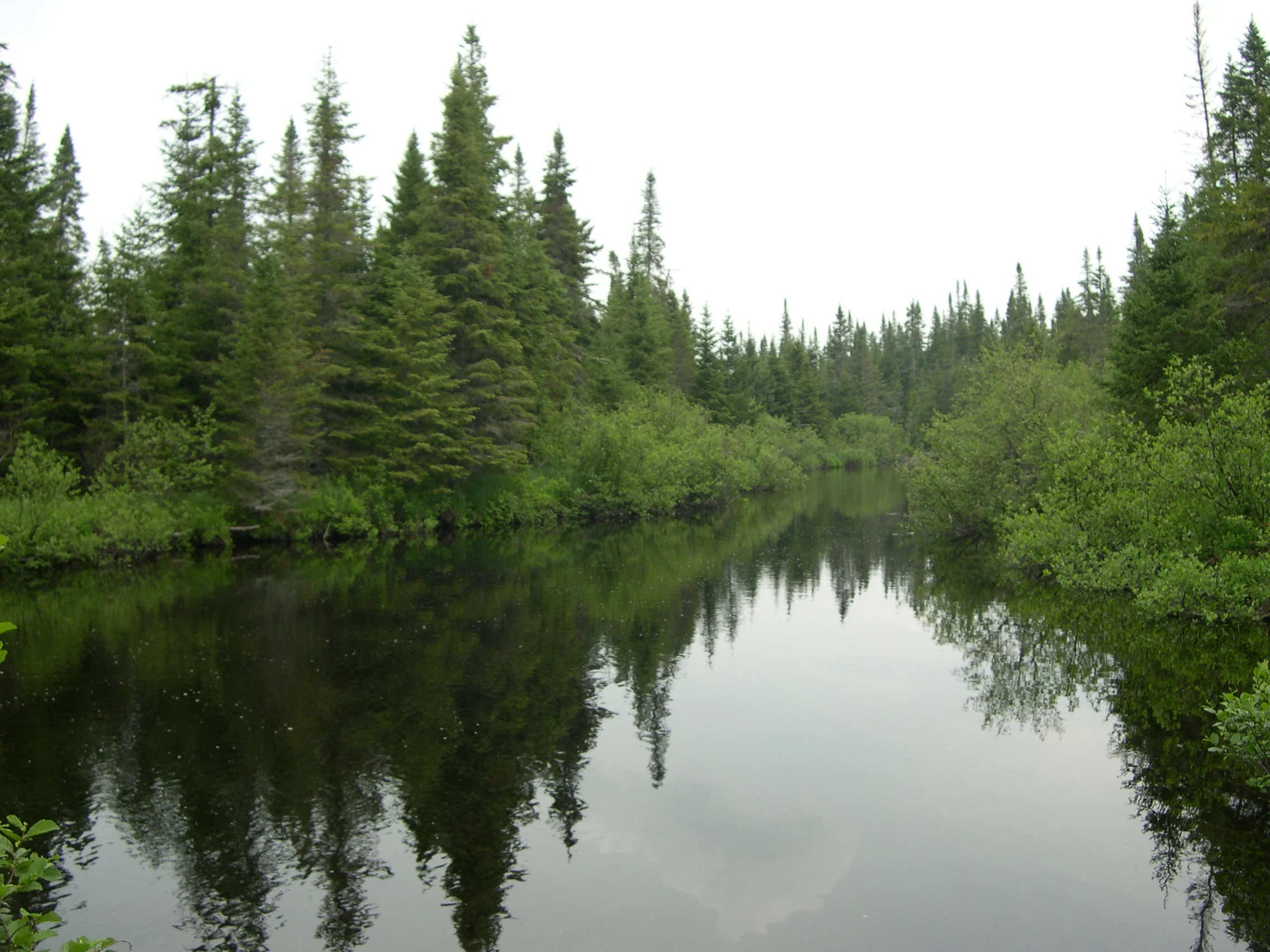
Boreal forest in Adirondack Park. Photo by Daniel J. Lebbin.

Chupasavias de vientre amarillo

Sphyrapicus varius

ᐹᐦᐹᐢᒉᐢ / Papatsis (Cree)

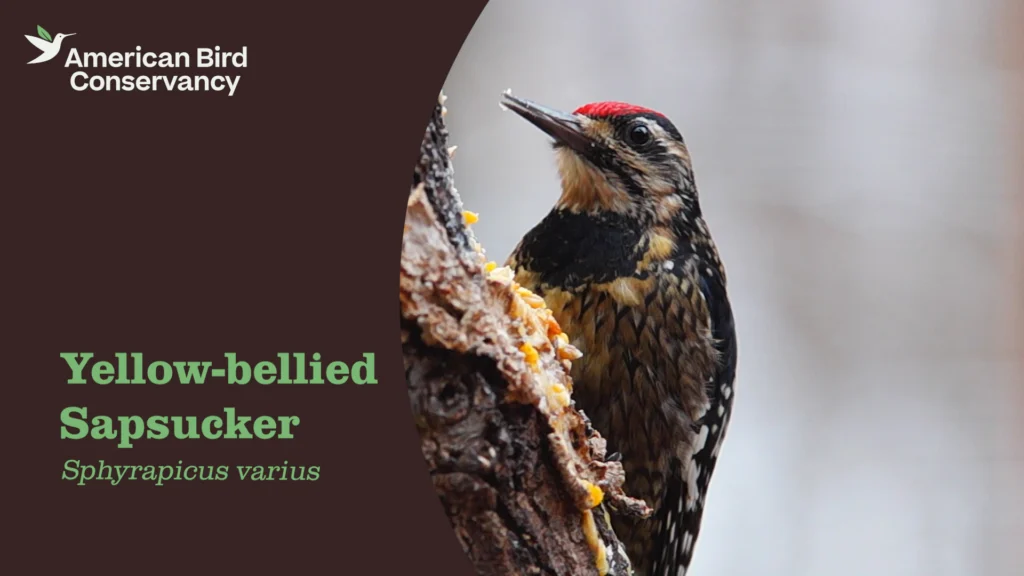
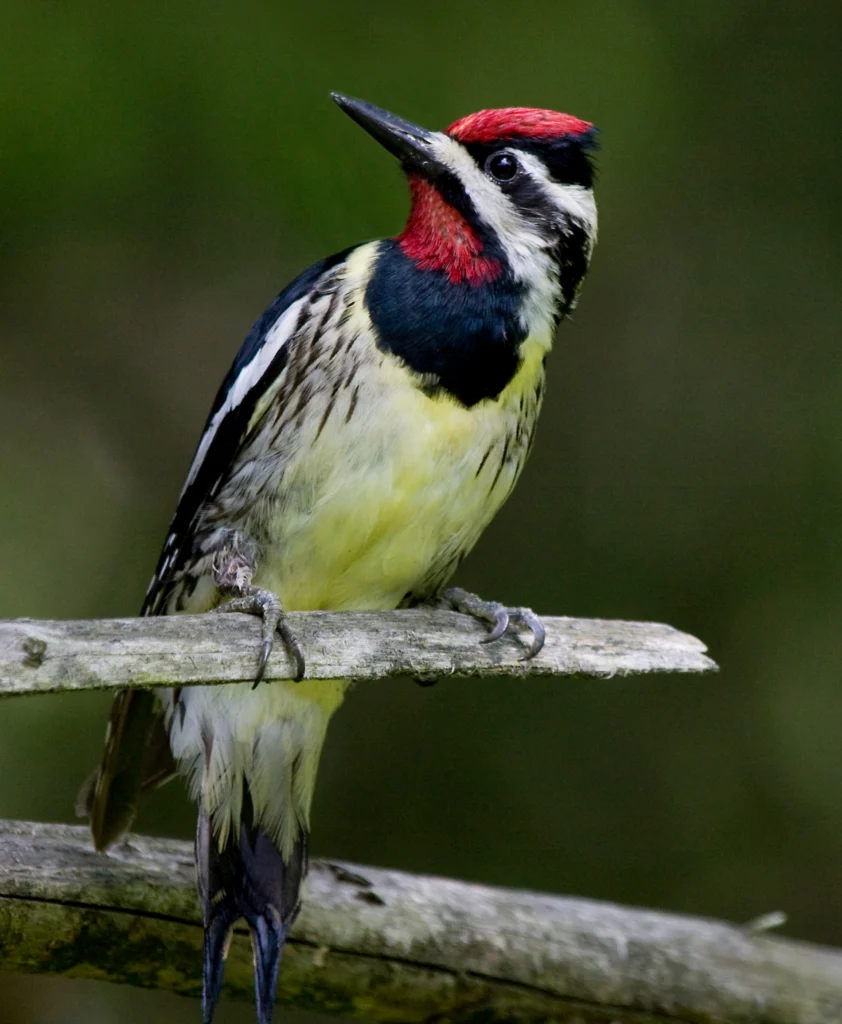
Yellow-bellied Sapsucker. Photo by Frode Jacobsen, Shutterstock.

Chupasavias de vientre amarillo

Yellow-bellied Sapsucker. Photo by Frode Jacobsen, Shutterstock.

Sphyrapicus varius

Descripción general

Estado de conservación
Tendencias demográficas
Creciente
Tamaño de la población
14 million
Familia
Pájaros carpinteros
Ubicación
caribe
América del norte
Patrón de migración
Latitudinal
Distancia de migración
Distancia corta
También conocido como
  • Baakwemon (Anishinaabe)
  • Pic maculé (French)
  • Bebedor Ventriamarillo (Spanish)
  • Carpintero de Paso (Spanish)

Acerca de

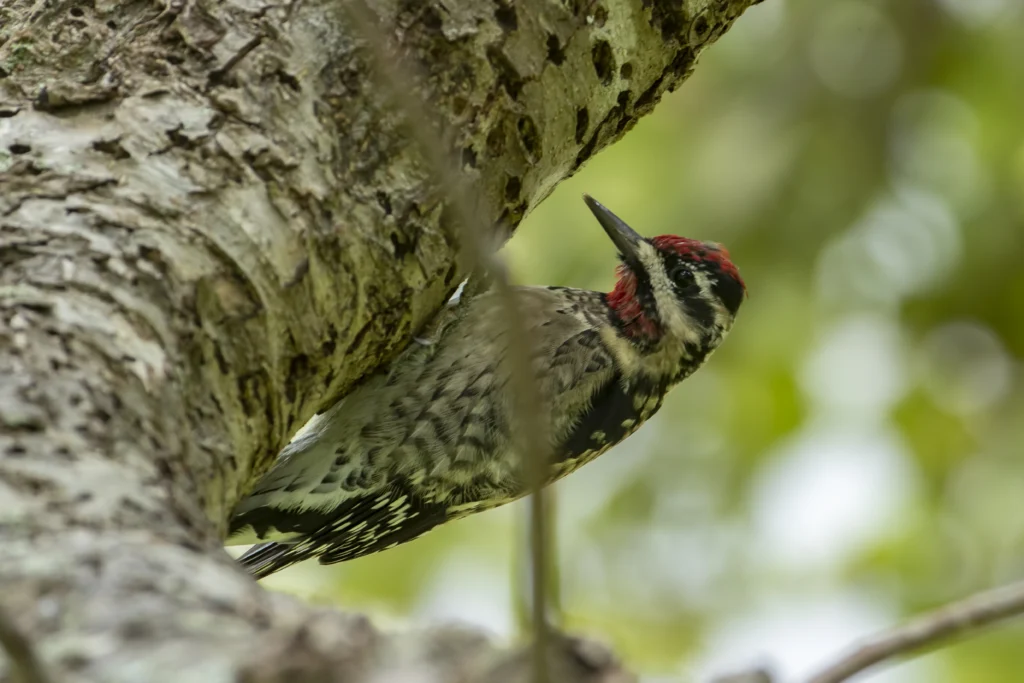
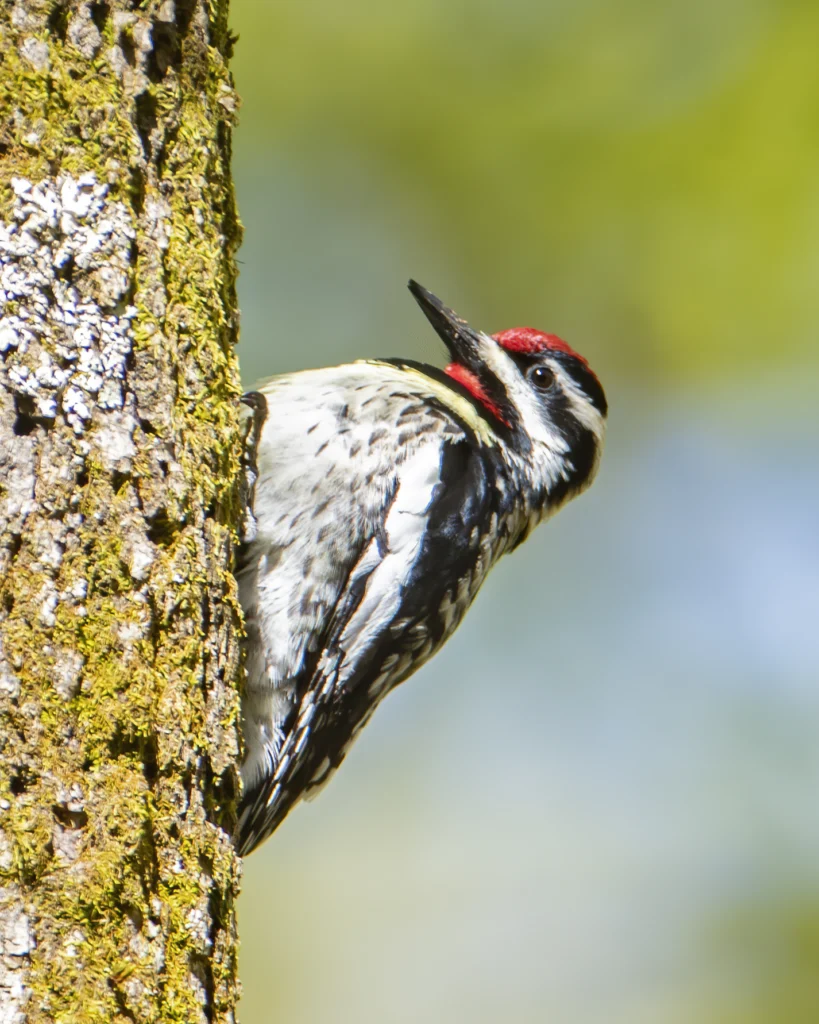
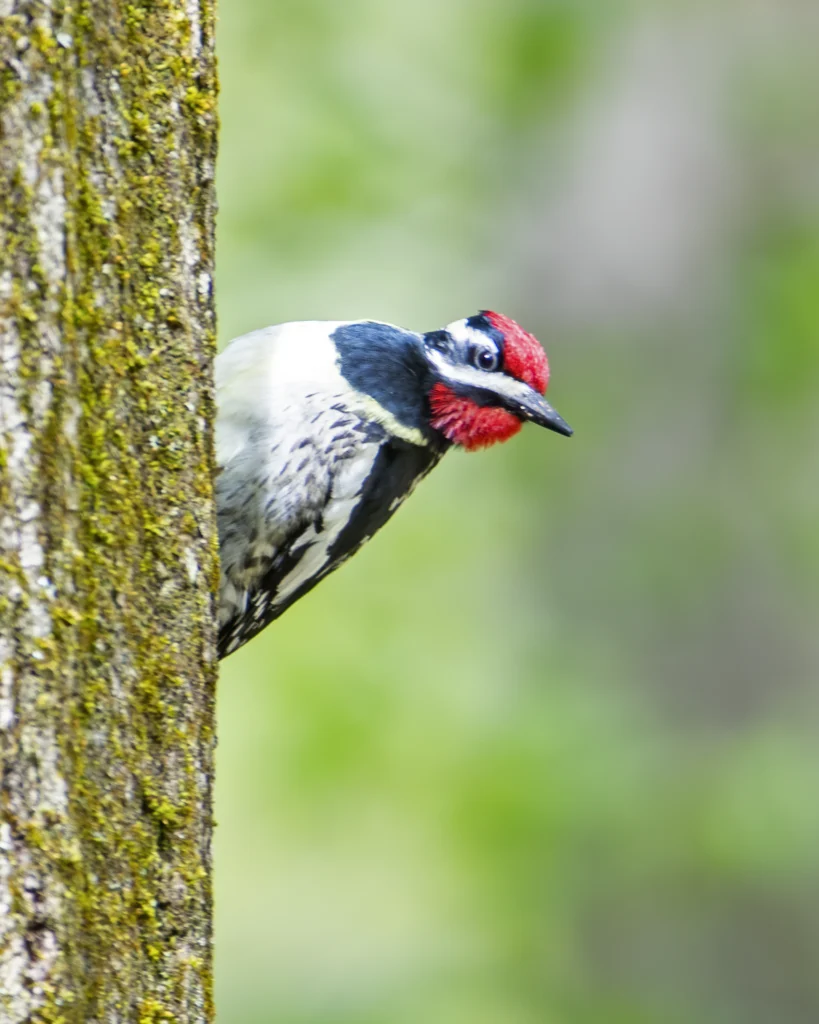
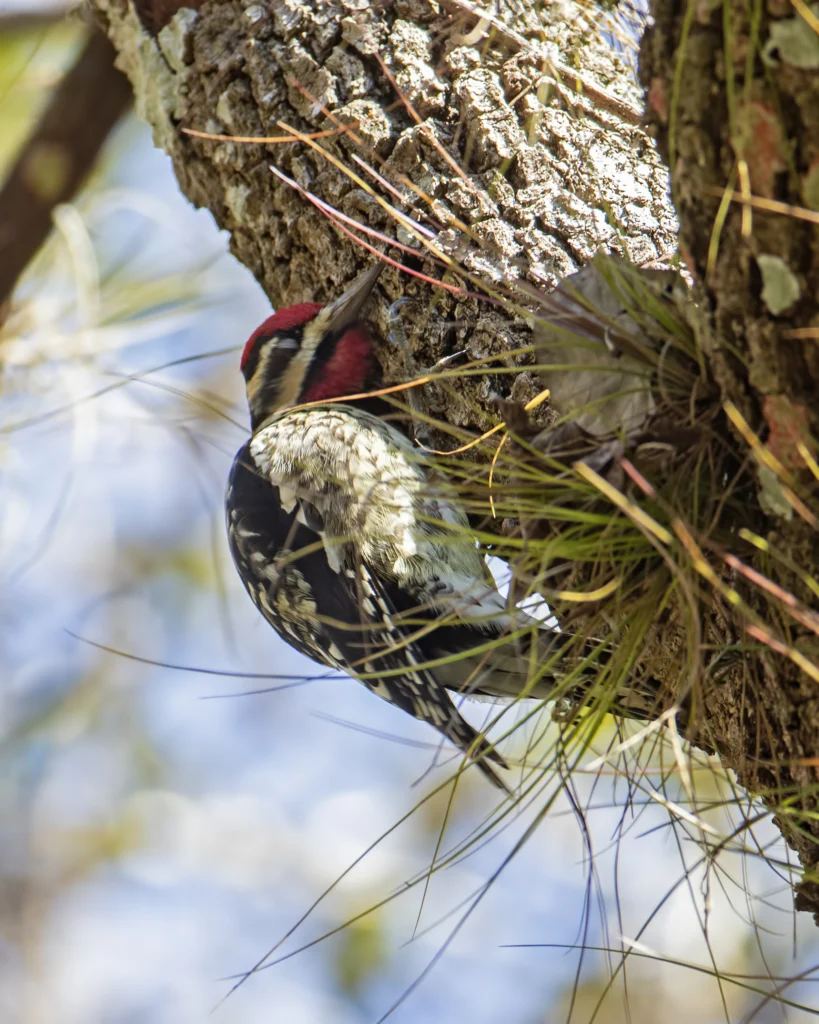
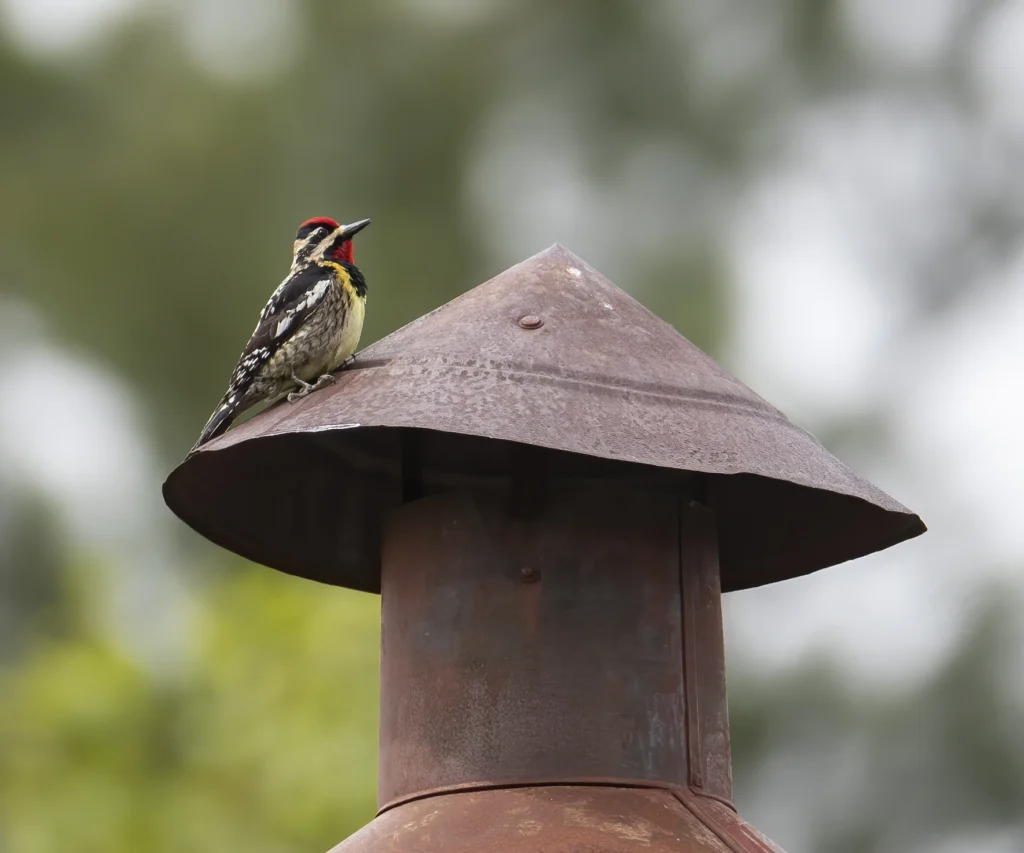
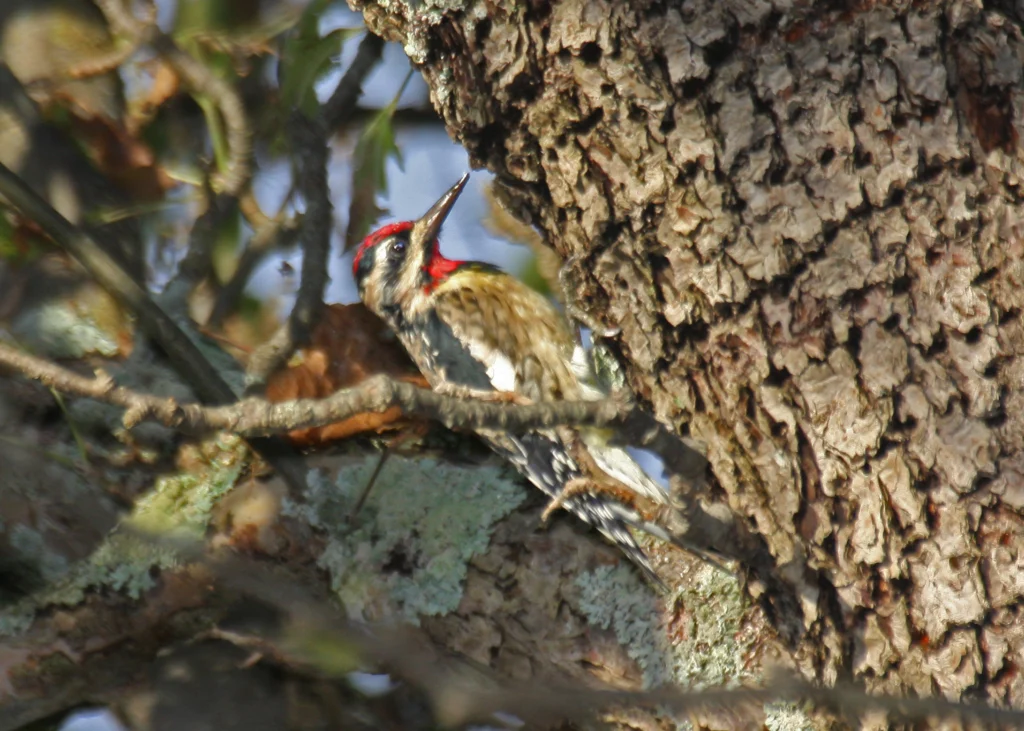
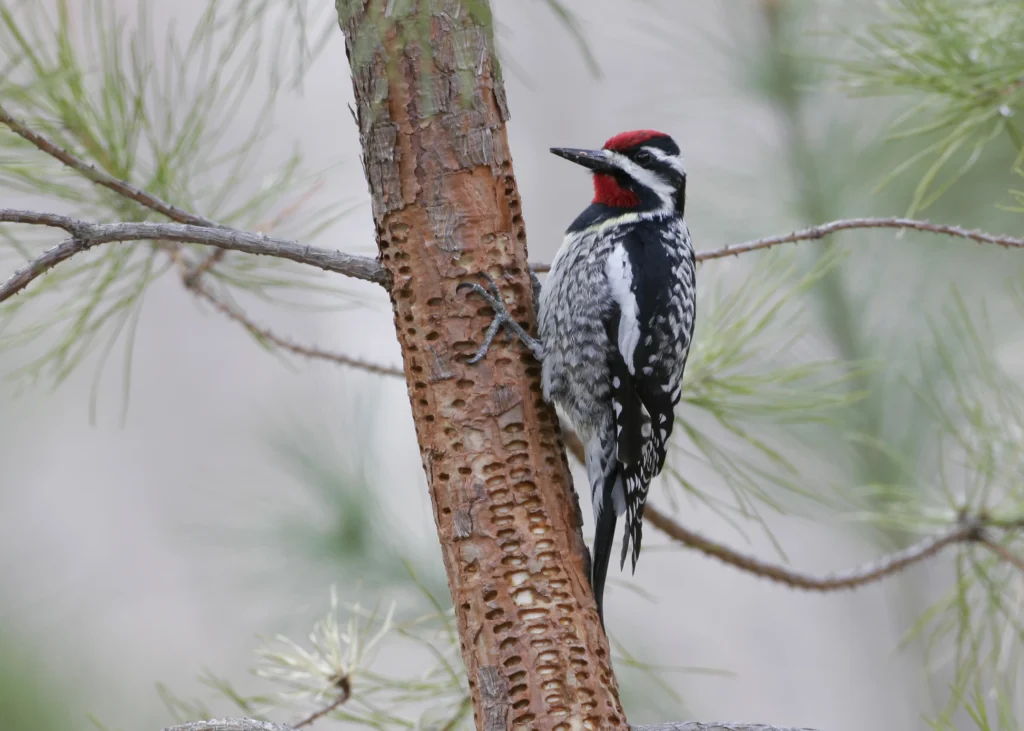
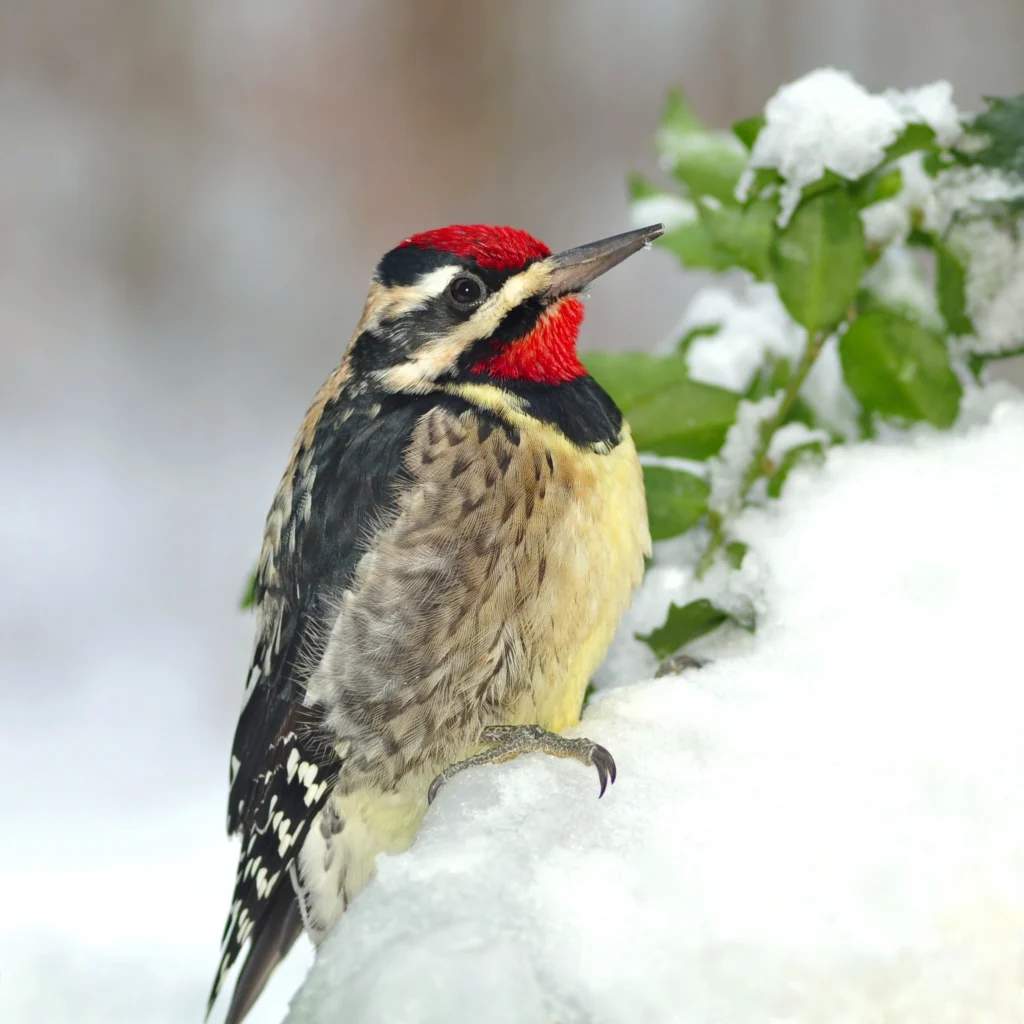
Although the Yellow-bellied Sapsucker is a perennial punchline in jokes about birders and the funny names of their quarry, this interesting, boldly patterned woodpecker is quite real. Despite its name, the yellowish tint on the Yellow-bellied Sapsucker’s underside is subtle, and not always what first catches the eye. More often, what stands out are the vertical white stripe along this woodpecker’s folded wing and its black-and-white face. Both males and females have bright red foreheads, but males also have red throats.

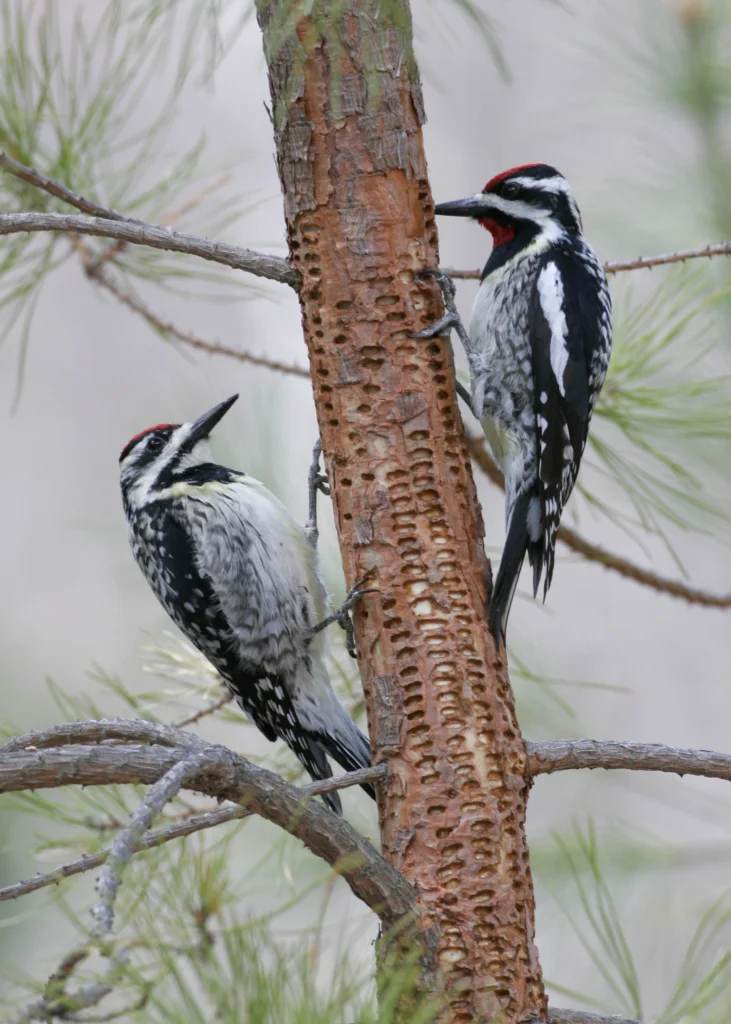
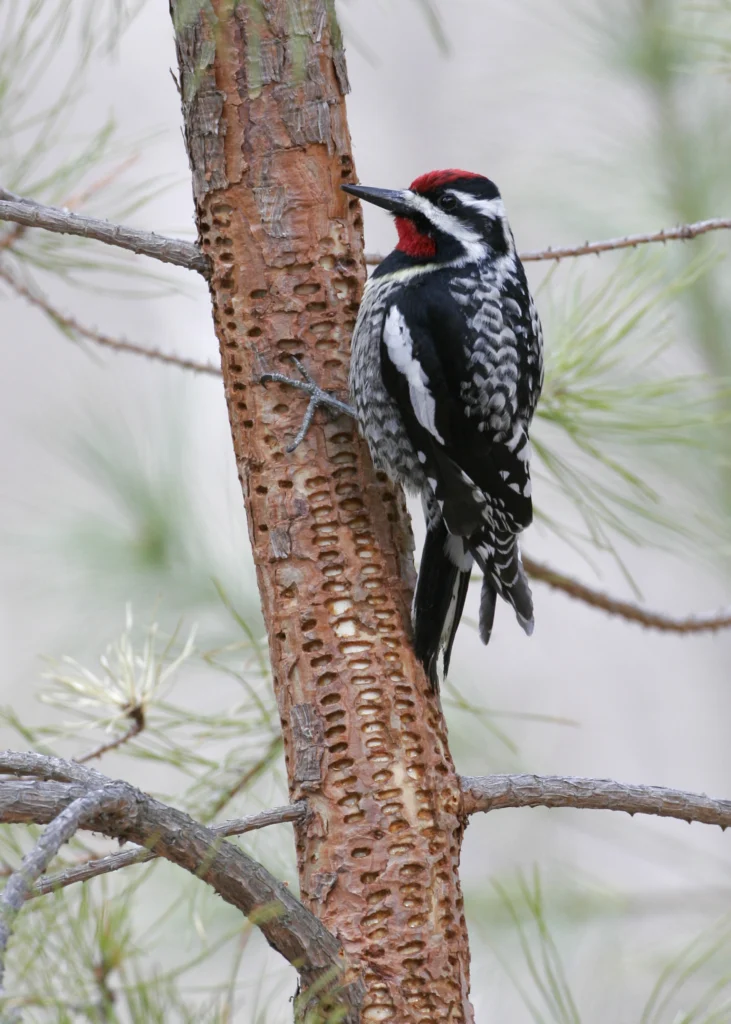
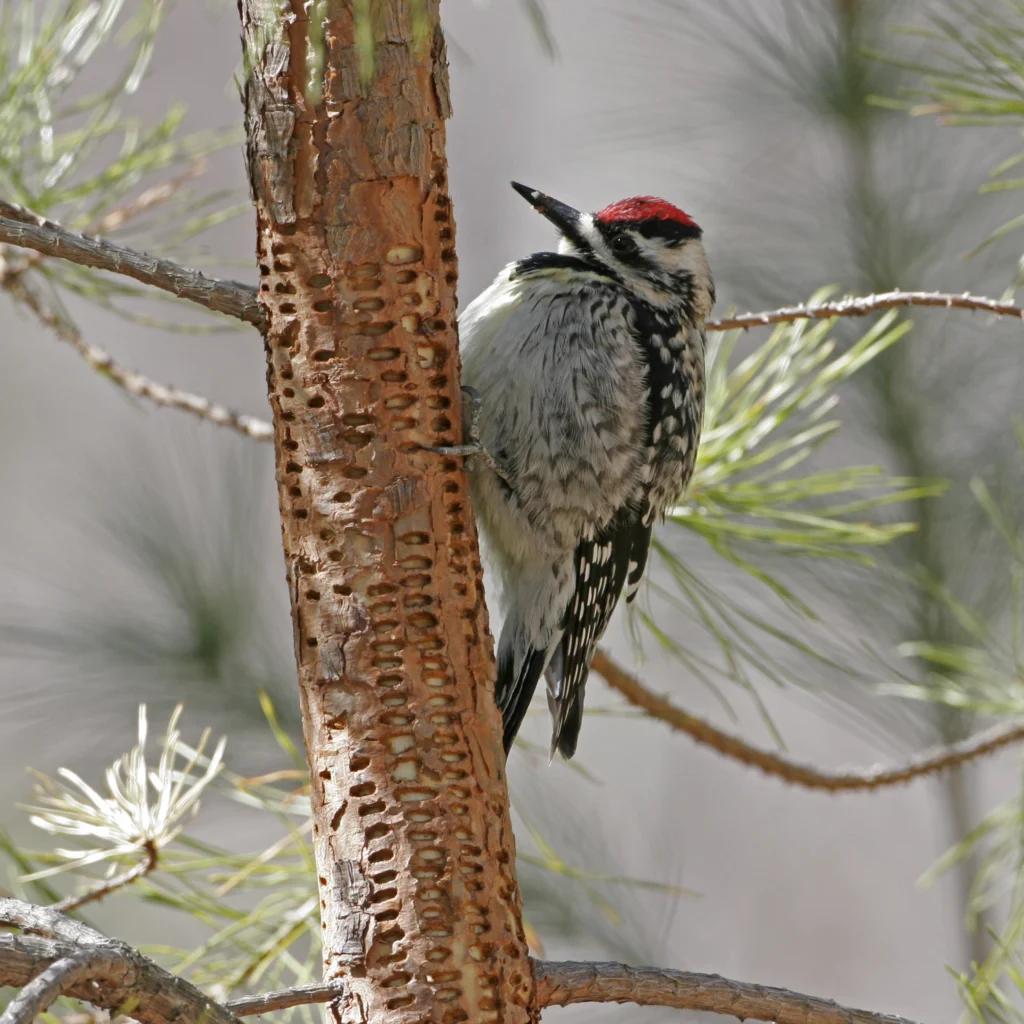
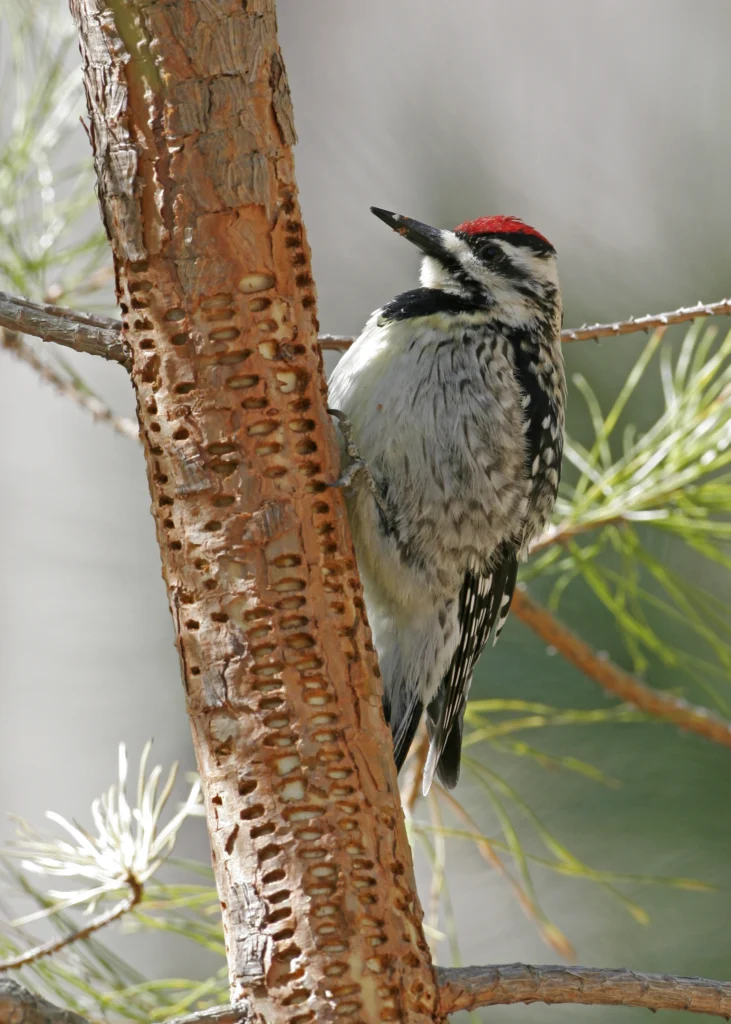
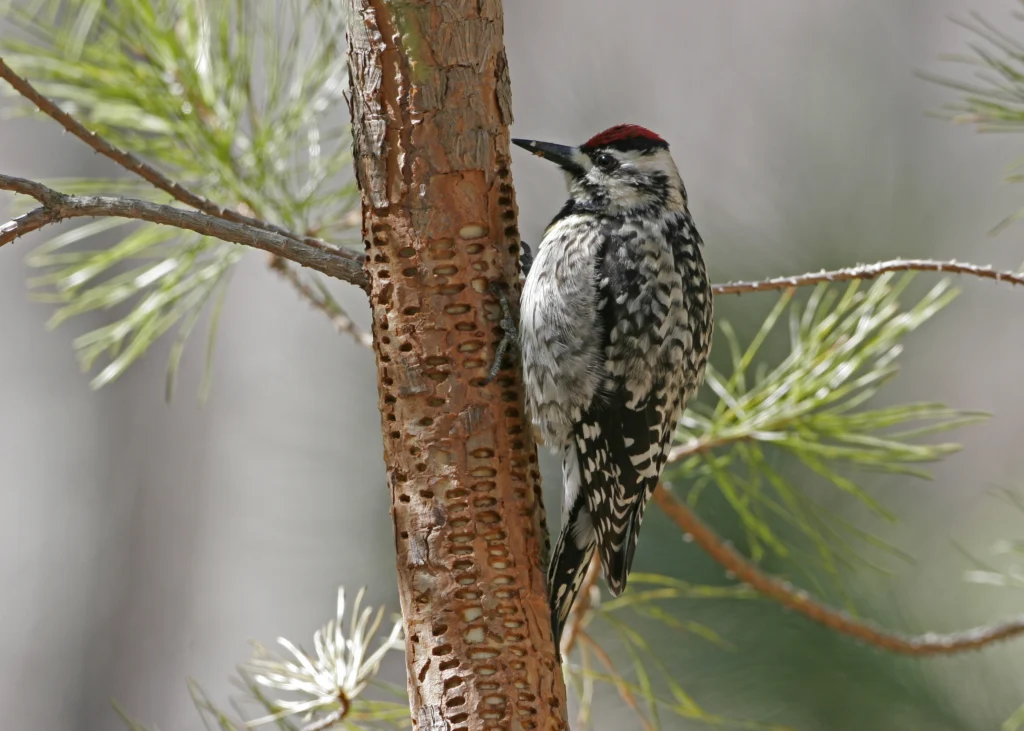
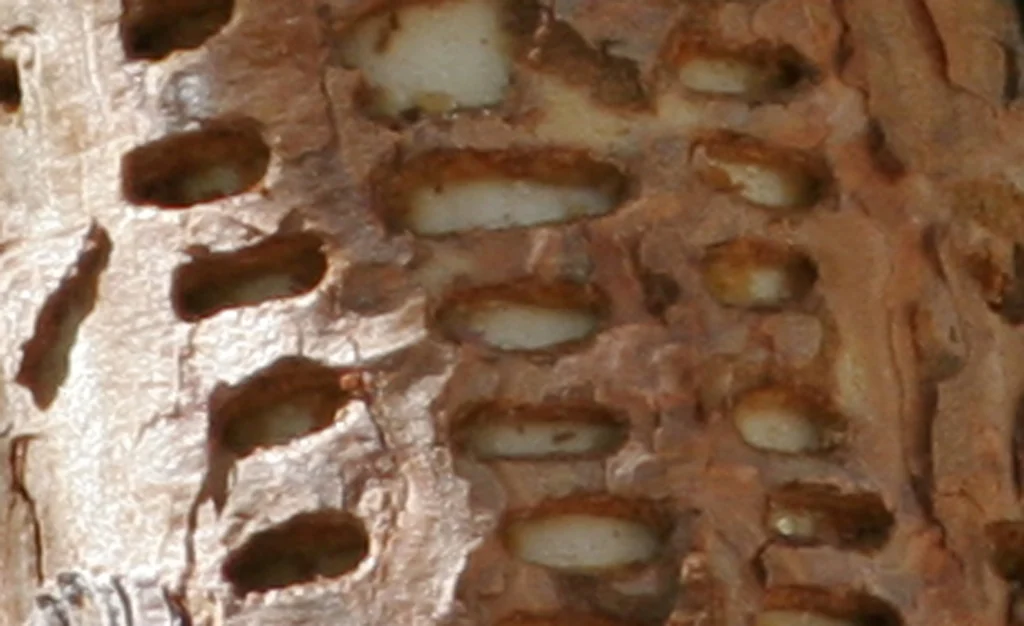
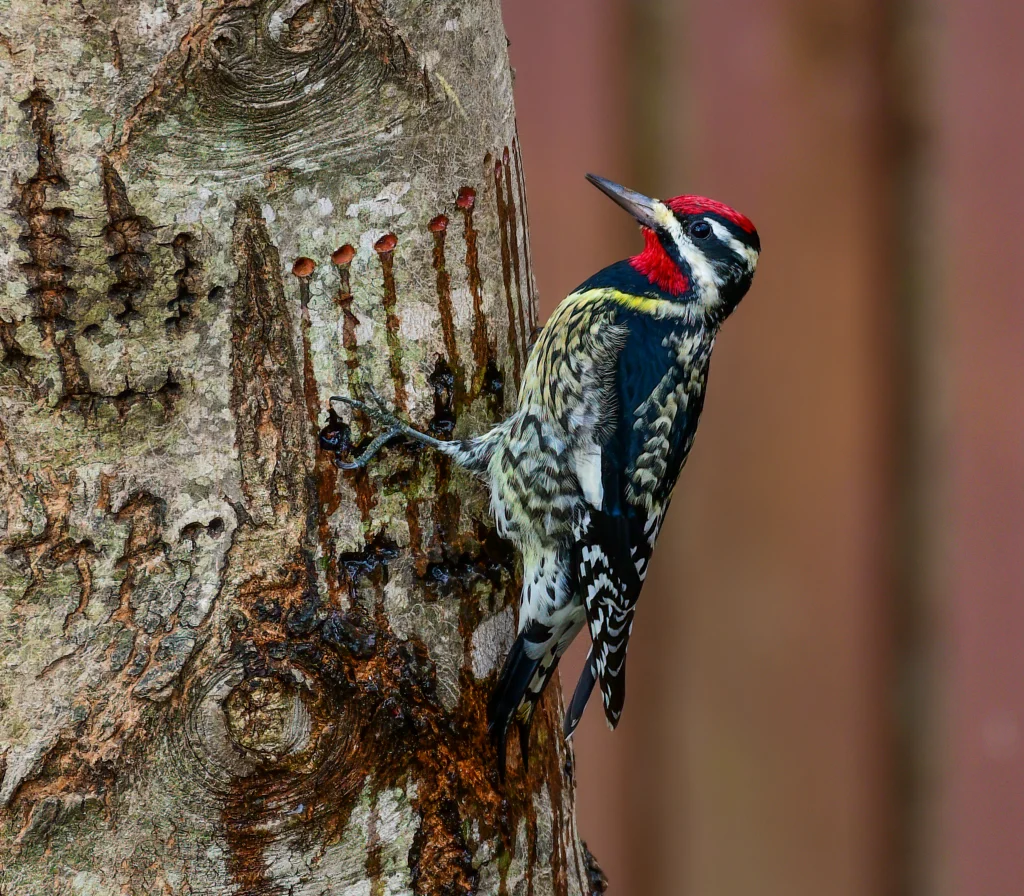
Sapsuckers are a small, specialized group of woodpeckers found only in North America. The Yellow-bellied is the only one found in eastern North America; the other three species, including the closely related Red-naped Sapsucker, inhabit the West. Sapsuckers are unique among woodpeckers in drilling neat rows of holes, known as sap wells, into the inner bark layer and cambium of tree trunks. Sap wells have been noted in more than 1,000 species of trees and other woody plants, but these birds prefer trees with sweet sap, such as birches and maples.

Colibríes garganta rubí depend on Yellow-bellied Sapsucker wells early in spring, before many of their usual sources of nectar, flowering plants, are available. These tiny birds time their spring migrations to coincide with those of the sapsuckers, and even nest near sap wells.

A wide variety of other birds and animals also take advantage of sapsucker wells, from tiny Ruby-crowned Kinglets, nuthatches, and chickadees to mammals such as bats and squirrels. Insects, including moths, bees, and wasps, also feed at the wells.
Amenazas

Overall, the Yellow-bellied Sapsucker population seems to be doing well, but like other migratory birds, this species runs the gauntlet of threats from collisions with glass and communication towers to free-roaming cats. In addition, habitat loss, particularly in the southern part of its breeding range, is an ever-present challenge.

Free-Roaming Cats

Domestic cats are the leading human-caused driver of bird population declines. Cats kill billions of birds each year just in the United States, and birds are particularly at risk during spring migration. Migratory birds, like the Yellow-bellied Sapsucker, need to touch down and refuel on their way between breeding and nonbreeding ranges, and can be especially vulnerable at this demanding portion of their annual cycle.

Gatos y especies invasoras

Collisions with Buildings and Towers

Collisions take an enormous toll on birds, and the threat is especially pronounced for migratory species like the Yellow-bellied Sapsucker. While collisions with reflective windows in city centers during migration take center stage, they are a year-round threat to birds, both migratory and resident. More than a billion birds die in the U.S. each year alone, but the threat of collisions persists anywhere windows go untreated.

Choques de vidrio

Estrategias y proyectos de conservación

Birds need our help to overcome the threats they face. ABC has a number of programs in place to reduce threats to the Yellow-bellied Sapsucker and other birds, including our Cats Indoors program, which encourages responsible pet ownership to keep both cats and birds safe, and our Glass Collisions program, which researches solutions to prevent collisions and advocates for the adoption of bird-friendly building design practices.

Mantenga a los gatos dentro de casa

Los gatos son compañeros maravillosos, pero están más seguros (al igual que las aves) cuando viven dentro de casa o bajo el control de sus dueños. ABC promueve la tenencia responsable de gatos, alentando a millones de dueños de mascotas a tomar medidas para mantener a sus gatos dentro de casa y abogando por políticas que beneficien la salud de las aves, los gatos y las personas.

Mantenga a los gatos dentro de casa

Prevención de colisiones de vidrio

ABC ha sido líder en el esfuerzo por reducir el devastador impacto de las colisiones con cristales en las aves. Hemos desarrollado métodos innovadores para evaluar la eficacia de los dispositivos de prevención de colisiones, creado recursos para mejorar nuestra comprensión colectiva de las colisiones y facilitar el acceso a soluciones, y promovido políticas que protejan a las aves en Estados Unidos.

Prevención de colisiones de vidrio

Galería de aves

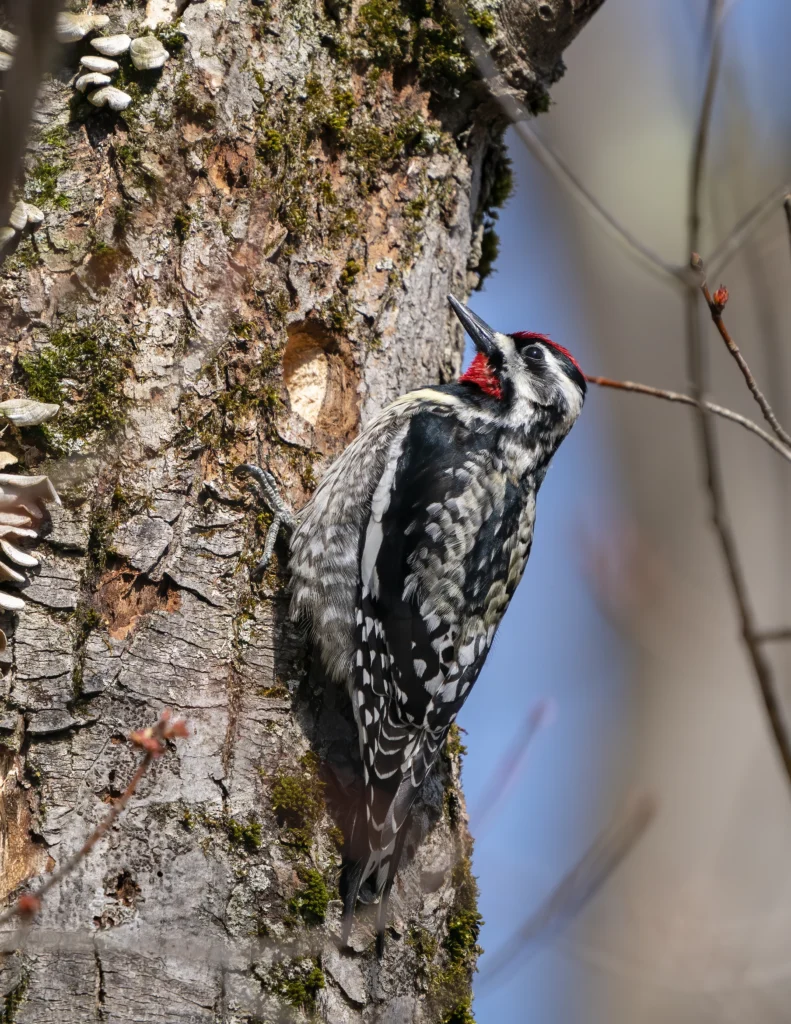
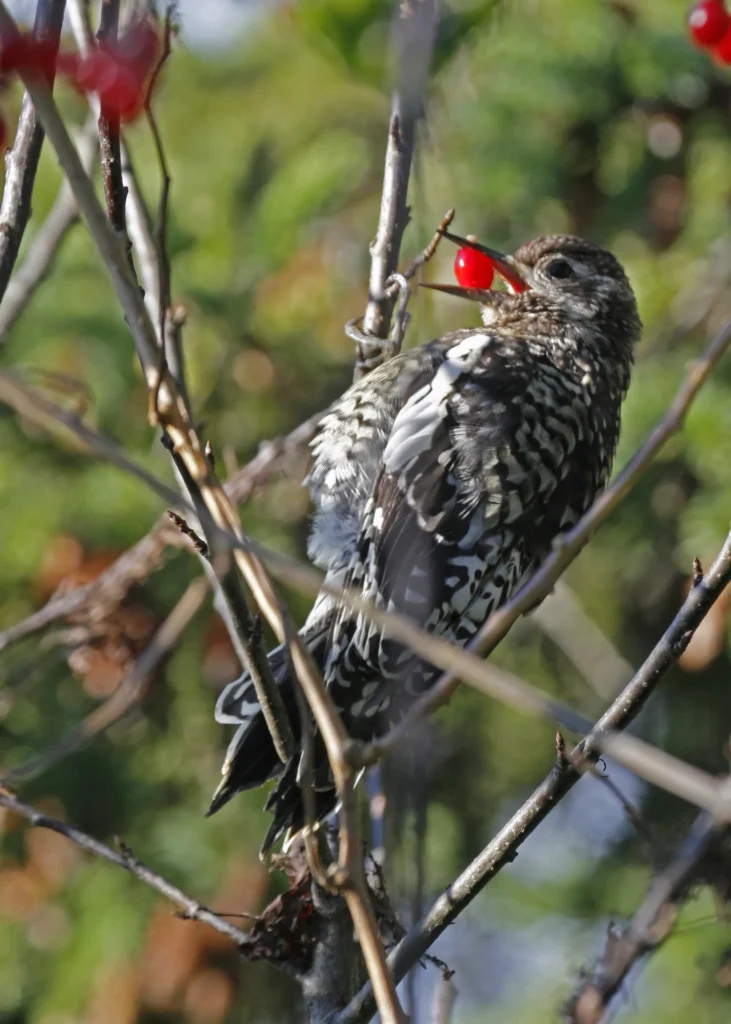
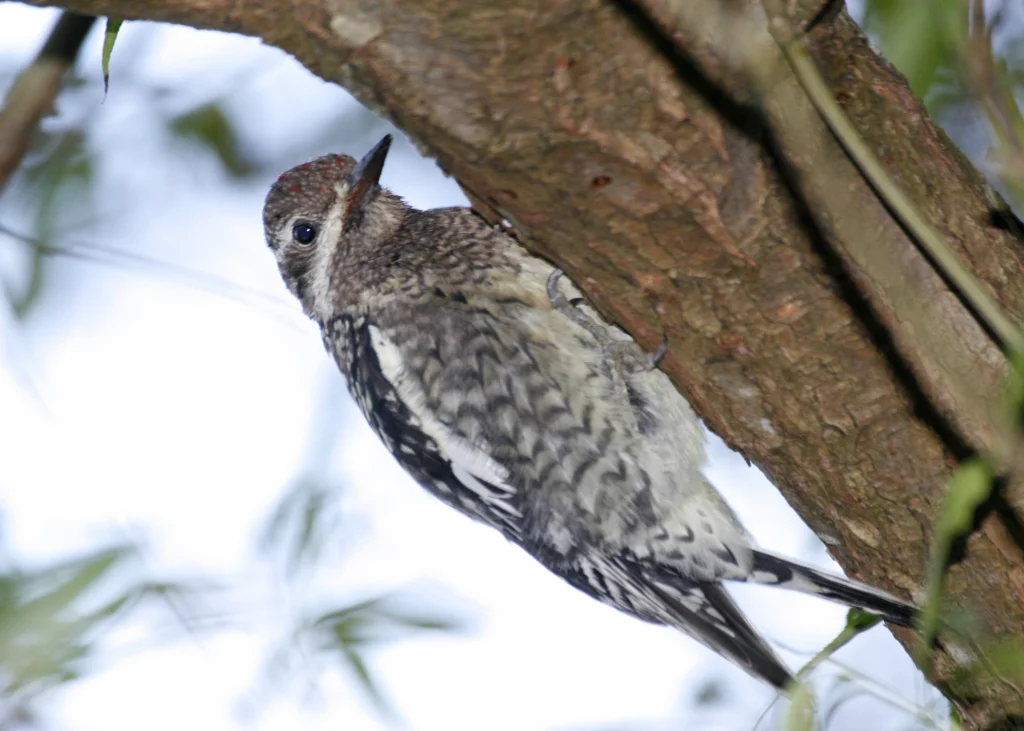
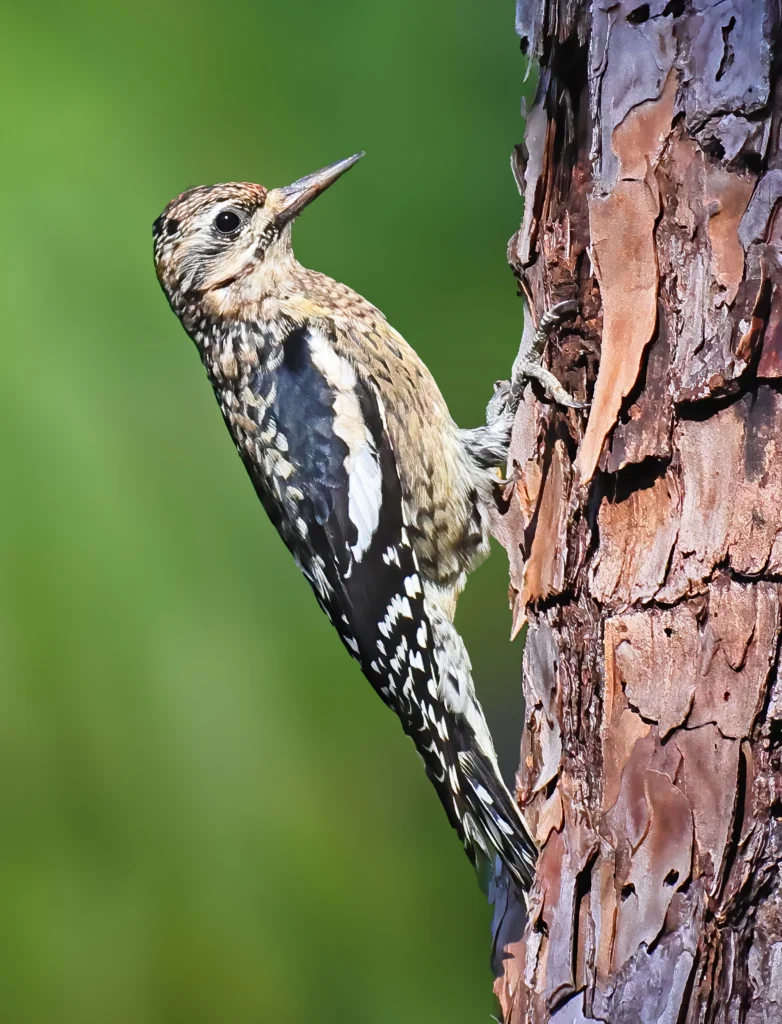
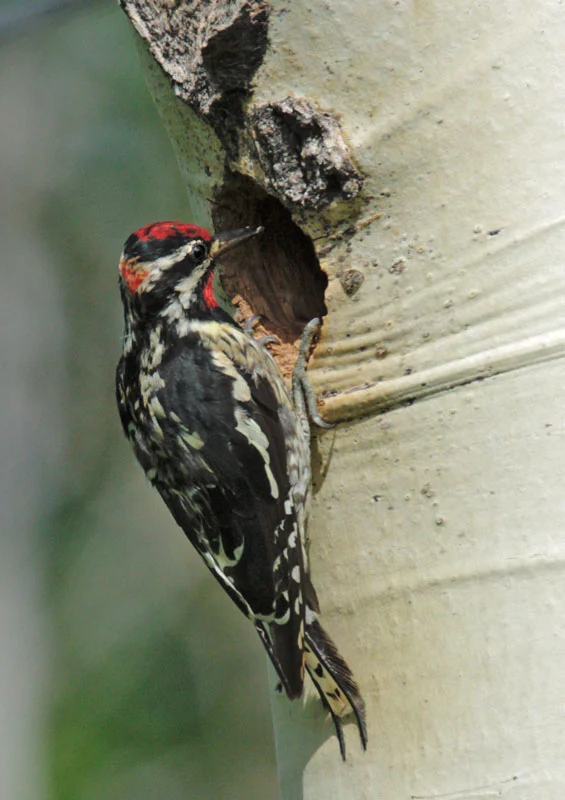
The palette of the Yellow-bellied Sapsucker is similar to that of many other woodpeckers, with largely black upperparts patterned with white markings and predominantly white underparts decorated sparingly with dark marks along the flanks. Like its close relatives, the Red-naped and Red-breasted Sapsuckers, the Yellow-bellied has a large white patch on the rump and a mess of white spots on the back between the wings. Males and females are very similar, although females have a white or whitish throat.

The markings on the head and face of the Yellow-bellied are quite similar to those of the Red-naped. Both birds have a bright red crown, a large black bib on the upper breast, and alternating black and white markings over the face, head, and neck. The throat is entirely red in males of both species. In Yellow-bellied females, the throat is entirely white, whereas female Red-napeds typically show a variable amount of white extending down from the chin. The two species can be differentiated by the namesake red nape, present in both the male and female, but lacking entirely in the Yellow-bellied. Another notable difference between these two similar species is in the arrangement of white spots on the back. In the Yellow-bellied, they cover the back with no obvious pattern, while the Red-naped’s spots fall into two rows running down either side of the back.

Sonidos

Like many other woodpeckers, the Yellow-bellied Sapsucker advertises its vigor and its territory boundaries by drumming on tree trunks and other hollow, resonant surfaces. But this sapsucker has a telltale drumming sequence, starting with an irregular series of rolling knocks, followed by a brief pause and then slower taps. The Yellow-bellied Sapsucker also gives a number of calls; one, a nasal Waa Call, sounds somewhat like that of a miniature Red-shouldered Hawk.

Drumming

Credit: Sue Riffe, XC418335. Accessible at www.xeno-canto.org/418335.

Waa Call

Credit: Ross Gallardy, XC325526. Accessible at www.xeno-canto.org/325526.

Hábitat

The Yellow-bellied Sapsucker breeds in deciduous and mixed coniferous forests. In the nonbreeding season, this species uses a variety of forest types and semi-open habitats.

  • Requires younger forests in the breeding season, preferring tree species like aspen, birch, and maple for both nesting and foraging
  • In the nonbreeding season, uses bottomland hardwood forest, pine-oak woodlands, and human-modified habitats such as orchards

Rango y región

Rango y región


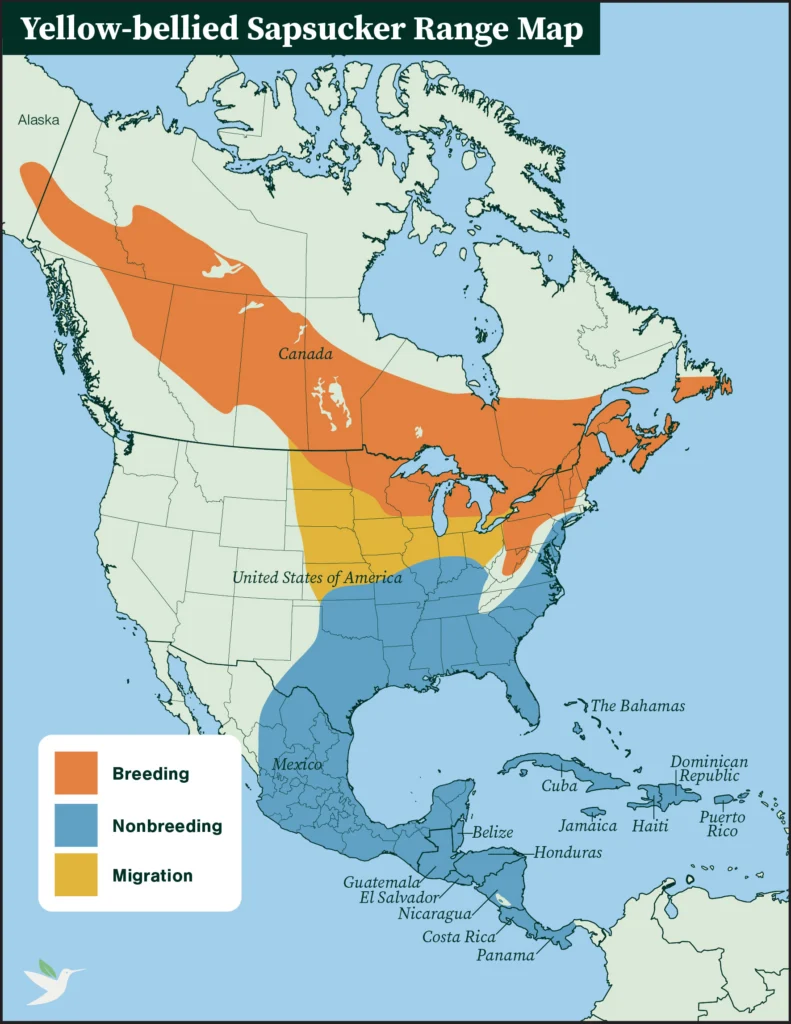
Yellow-bellied Sapsucker range map.

Área específica
Canada; eastern United States; eastern and southern Mexico; Central America; the Caribbean

Detalles de la gama
The Yellow-bellied Sapsucker nests across much of Canada (east of the Rockies and south of the tundra zone) and across most of the northeastern United States. The boreal forest is home to roughly 55 percent of the breeding population. Its breeding range extends south as far as Iowa and western Maryland, with isolated populations in the Alleghenies and Great Smoky Mountains. Uncommon in woodpeckers, the Yellow-bellied Sapsucker is highly migratory, for the most part leaving breeding grounds each fall to winter further south.

¿Sabías?
Males typically winter in the southern United States, while most females travel to the West Indies, Mexico, and Central America. Typically, sapsuckers at the northern edge of their winter range are male, while those at the southern extreme are female.

Rango
caribe
América del norte
Patrón de migración
Latitudinal
Distancia de migración
Distancia corta

Historia de vida

The Yellow-bellied Sapsucker creates two kinds of sap holes: tiny, round holes that extend deeper into the tree and are not enlarged, and shallower, rectangular holes, which the bird must constantly re-drill to keep sap flowing and attract insects. A sapsucker revisits the same tree again and again to lap up the oozing sap with its brush-like tongue, and to defend wells against insects, mammals, and other birds.

Dieta

Although sap is an important food source for this species, especially in early spring, it makes up only about 20 percent of the bird’s overall diet. The rest of its nourishment comes from phloem (soft inner tree bark) and insects, especially ants, that are procured by gleaning, excavating, and flycatching. The Yellow-bellied Sapsucker also eats fruit and seeds.

Noviazgo

Yellow-bellied Sapsuckers are socially and sexually monogamous and are thought to mate for life. Whether a pair is new or established in a previous year, males court females at the start of the breeding season. Oddly, courtship displays are quite similar to the agonistic displays birds of the same sex use to mediate conflicts. These include raising and lowering the head, drooping the wings, and raising the feathers on the crown of the head and throat.

Anidación

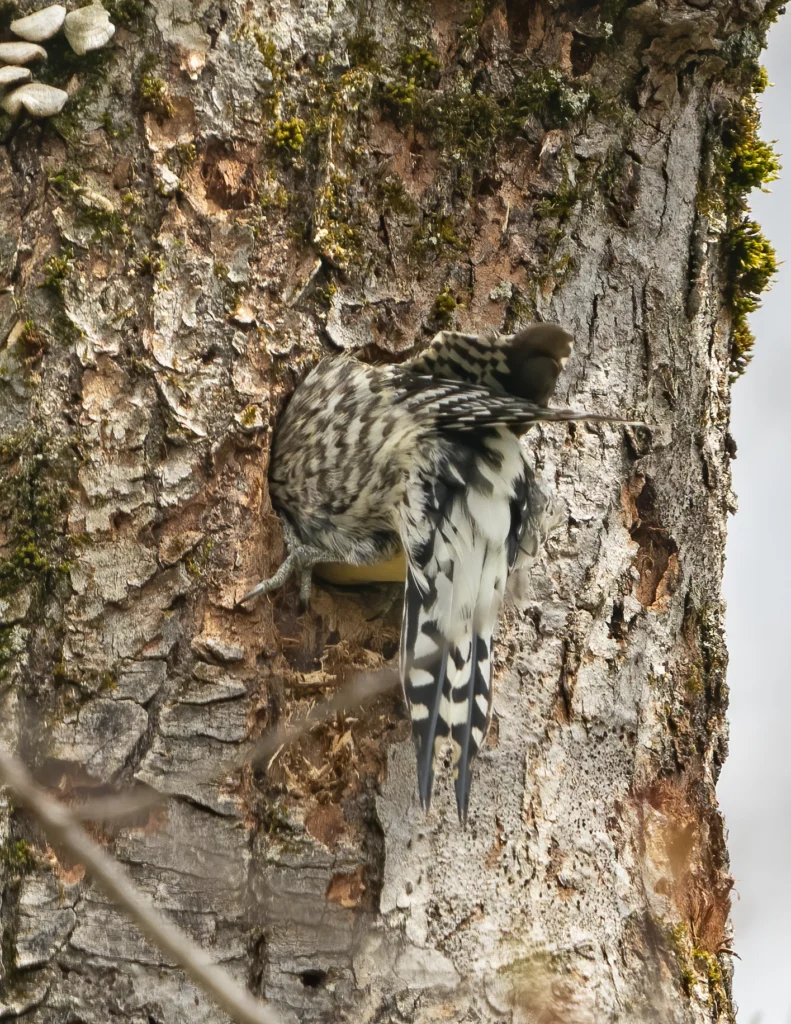
Male Yellow-bellied Sapsuckers arrive on their breeding grounds about a week ahead of females and establish territories by drumming. These birds often return to the same territory and pair with the same mate in successive years, even reusing the same nest tree and cavity. The nest cavity, excavated by both sexes, is dug from the soft wood of a diseased tree. Old sapsucker nest cavities also provide homes for secondary cavity-nesting birds such as the Black-capped Chickadee and Tree Swallow.

Huevos y crías

The female Yellow-bellied Sapsucker lays four to six eggs, which both partners take turns incubating for about two weeks. Both parents feed the nestlings with insects dipped in sap for extra nutrition. Young Yellow-bellied Sapsuckers fledge after about a month. The parents lure their young out of the nest with food, and the fledglings stay outside, learning to feed and fend for themselves. This woodpecker raises only one brood per year.